Generating leads is not simply about getting more people to visit a website. For most businesses, the real challenge is reaching the right audience, getting them to take meaningful action, and understanding which marketing activities actually contributed to that result.
This is where performance marketing becomes valuable. Unlike approaches that focus mainly on impressions or traffic, performance marketing connects advertising activity with measurable outcomes such as enquiries, form submissions, calls, demo requests, registrations, or purchases.
A well-planned performance marketing strategy gives businesses greater control over where their advertising budget goes, how campaigns are optimised, and which channels are producing meaningful results.
Performance Marketing Starts With the Right Audience and Intent
A campaign can generate thousands of clicks and still produce very few useful leads if it reaches people who have little interest in the offering. Lead generation therefore starts with understanding who the business needs to reach and what those users are likely to search for or respond to.
Different audiences can have very different levels of intent. Someone researching a general problem may not be ready to enquire, while a person searching for a specific service, comparing providers, or looking for pricing may already be closer to taking action.
Performance marketing allows campaigns to be built around these differences. Search campaigns can target high-intent queries, while paid social can be used to reach specific audience segments based on their interests, behaviour, industry, job role, or other relevant characteristics. The goal is not simply to maximise reach. It is to put the offer in front of people who have a realistic possibility of becoming customers.
Campaigns Become More Effective When Every Stage Is Measured
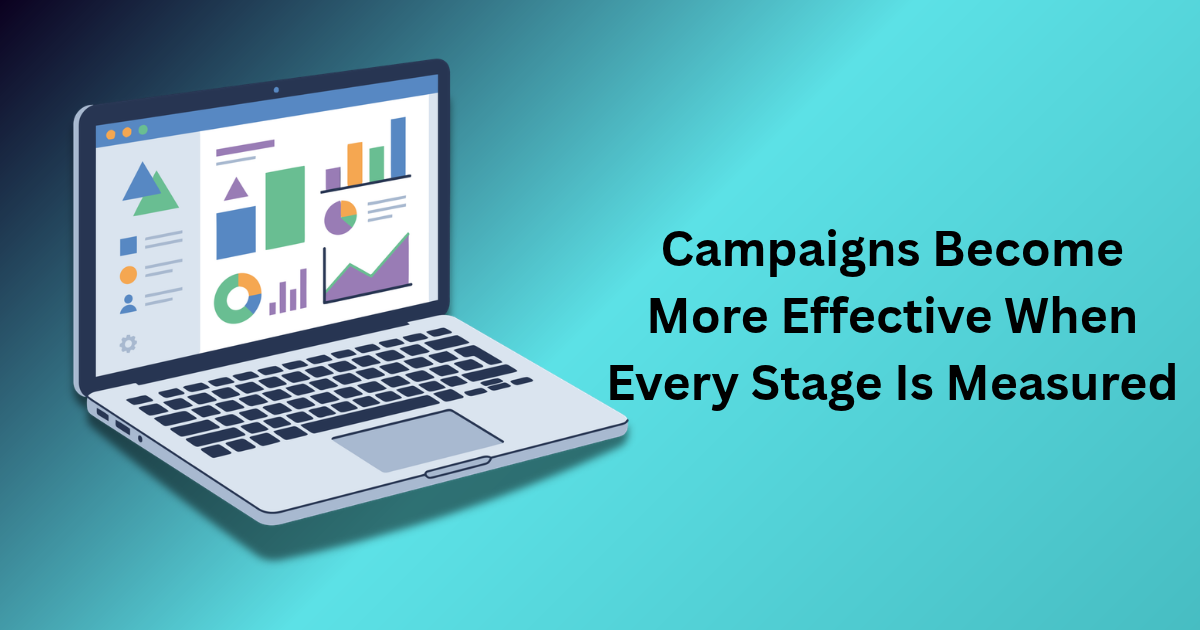
One of the biggest advantages of performance marketing is the ability to track what happens after an advertisement is clicked. Instead of stopping at impressions and clicks, businesses can measure the journey from advertisement to landing page and eventually to lead.
A typical lead-generation funnel can be evaluated through:
- Impressions: How often the campaign is being shown
- Clicks: Whether the advertisement is attracting attention
- Landing-page engagement: Whether visitors are taking meaningful actions
- Conversions: Whether visitors are submitting forms, requesting demos, calling, or completing another desired action
- Cost per lead: How much advertising spend is required to generate a lead
- Lead quality: Whether those leads are actually relevant to the business
This creates a clearer picture of campaign efficiency. A campaign producing a lower cost per lead is not automatically better if those leads are poorly qualified. For this reason, lead quality and business outcomes should be considered alongside platform metrics when evaluating campaign performance.
Landing Pages Can Determine Whether Traffic Becomes Leads
Getting the right audience to the website is only one part of lead generation. What happens after the click can have a major impact on campaign performance. A paid advertisement may promise a specific solution, but if the landing page is generic, difficult to navigate, slow to load, or unclear about the next step, the opportunity can be lost.
Effective landing pages should maintain a clear connection between the advertisement and the user’s expectation. They should quickly explain what is being offered, who it is for, why it is relevant, and what the visitor should do next.
Important elements can include:
- A clear and relevant headline
- Strong alignment between ad copy and landing-page content
- Concise explanation of the value offered
- Trust signals such as experience, results, reviews, or certifications
- A simple and visible conversion action
- Forms that ask only for information that is genuinely necessary
This is why performance marketing services should not be viewed only as ad management. Campaign performance is influenced by the entire journey from targeting and messaging to landing-page experience and conversion.
Continuous Optimisation Makes Lead Generation More Efficient
Performance marketing is not a “launch and leave” activity. Campaigns generate data that can be used to identify what is working, what is wasting budget, and where changes could improve results.
An underperforming campaign may need a different audience, keyword set, advertisement, landing page, bidding approach, or budget allocation. Similarly, a campaign generating strong lead volume may still need optimization if the sales team reports that the leads are not relevant.
A performance marketing agency can use the process to make decisions based on actual campaign behaviour rather than assumptions. Over time, businesses can identify stronger audiences, better-performing messages, more efficient campaigns, and the areas where additional investment is justified.
Why Lead Generation Should Connect With the Sales Process
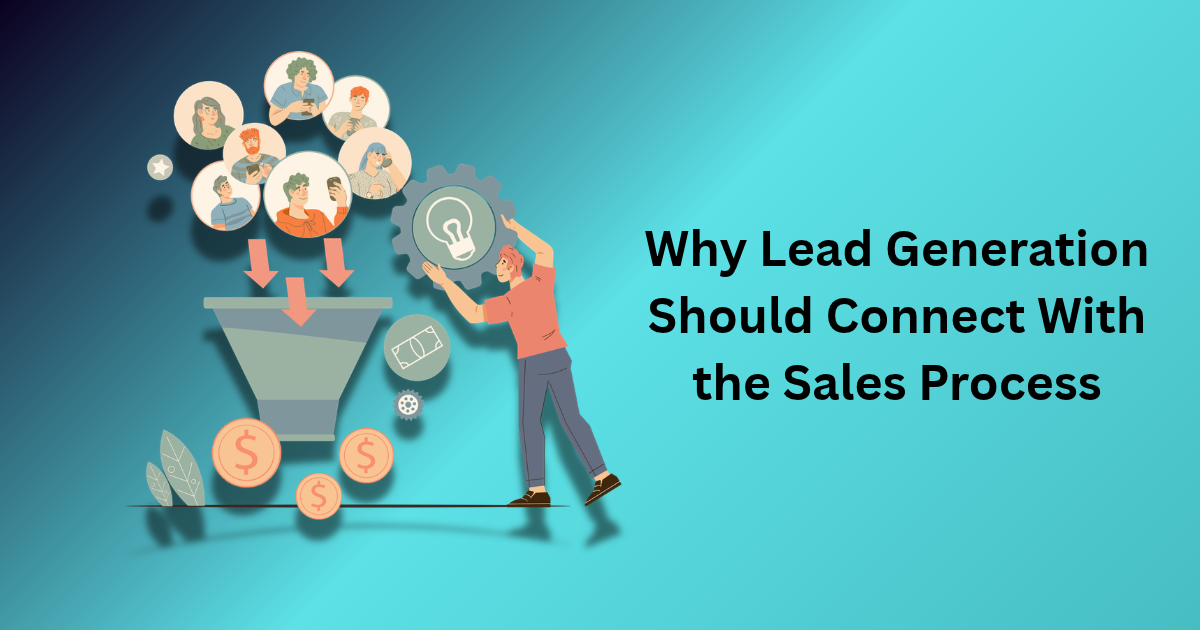
A lead is not the final outcome. Its value depends on what happens after it enters the business. If advertising platforms are optimised only for form submissions, campaigns may prioritise users who are willing to submit forms rather than users who are genuinely likely to become customers. Connecting marketing data with the sales process can provide a much clearer understanding of which campaigns are generating valuable opportunities.
Businesses can therefore look beyond basic conversion numbers and analyse:
- Marketing-qualified leads
- Sales-qualified leads
- Lead-to-opportunity rates
- Opportunity-to-customer rates
- Customer acquisition cost
- Revenue generated from specific campaigns
This allows advertising decisions to be connected with actual business performance. A digital marketing agency can use this data to identify which campaigns are generating qualified opportunities, how those leads move through the sales funnel, and which activities contribute to revenue. This makes performance marketing more accountable to the outcomes that actually matter to the business.
How Cypder Solutions Approaches Performance Marketing
At Cypder Solutions, performance marketing is approached as part of a wider digital growth system. Campaigns are connected with SEO, conversion infrastructure, and lead nurture so that businesses can evaluate not only how much traffic advertising generates, but also what happens after that traffic arrives.
The focus is on creating measurable acquisition journeys where targeting, messaging, landing-page experience, conversion tracking, and lead follow-up work together. This gives businesses a stronger basis for understanding campaign performance and making informed decisions about where to invest next.
Conclusion
Performance marketing gives businesses a more measurable way to generate leads by connecting advertising spend with specific actions and outcomes. But successful lead generation requires more than launching campaigns and tracking clicks.
The strongest results come from combining accurate targeting, relevant messaging, effective landing pages, continuous optimisation, and meaningful lead measurement. At Cypder Solutions, performance marketing is connected with SEO, conversion infrastructure, and lead nurture to help businesses understand not just how many leads they generate, but which campaigns are actually contributing to growth.